
Winter often brings cozy sweaters, warm drinks… and unfortunately, more back pain. As temperatures drop, many people notice stiffness, sharper aches in the morning, and flare-ups of old injuries. Although winter back pain is extremely common, the good news is that the right combination of movement, osteopathic techniques, and small daily adjustments can dramatically reduce discomfort.
Your Expert Osteopathic Plan That Actually Works
This comprehensive guide explains why winter back pain occurs, what you can do today, and when to see an osteopath—so you can stay mobile, confident, and pain-free all season long.
Why Back Pain Gets Worse in Winter
When colder weather sets in, several physiological and lifestyle changes make back problems more likely. Understanding these triggers allows you to take control early.
Cold temperatures tighten muscles
Cold weather reduces blood flow to muscles and connective tissue, making them stiffer and less elastic. As a result, the nervous system becomes slightly more protective, which increases the perception of pain. This is especially noticeable in the lower back, hips, and mid-spine.
Less movement means more stiffness
Because we walk less and stay indoors more, our joints lose lubrication and mobility. Furthermore, longer hours at a desk or working from home increase compressive forces on the spine.
Seasonal lifting adds extra strain
Winter means heavier coats, bags, snow shovels, and holiday shopping. Even small objects lifted with poor mechanics can irritate the lower back.
Slippery sidewalks change your posture
People unconsciously tighten their muscles and alter their gait to avoid slipping. This tension pattern often creates low back tightness and glute discomfort.
The good news: With simple, evidence-informed changes, most winter back pain is highly manageable.
Quick 5-Minute Winter Mobility Routine
Do this first thing in the morning or before long commutes. Stop if you feel sharp, spreading, or worsening pain.
Pelvic Tilts (10 slow reps)
Helps activate deep core muscles and reduce morning stiffness.
Single Knee-to-Chest (5 breaths each side)
Releases tension in the lower back and hips.
Cat–Camel (8–10 smooth reps)
Improves spinal mobility and decreases protective muscle guarding.
Hip Hinge Drill (8 reps)
Teaches proper bending mechanics to protect your lumbar spine.
Thoracic Open-Book Stretch (6 reps/side)
Enhances mid-back rotation, reducing compensatory low back strain.
Warm-Up Walk (3 minutes)
March lightly before stepping into cold weather. This boosts circulation and prevents sudden stiffness.
Heat or Ice? How to Choose in Winter
Choosing between heat and ice confuses many people, especially when the cold already makes muscles feel stiff. Here’s a clear approach.
Use Ice When…
- Pain is new, sharp, or triggered by a recent activity
- There is swelling or inflammation
- Pain worsens with heat
Protocol:
Apply a wrapped ice pack for 5 minutes on / 5 minutes off, repeat 2–3 times.
Never apply ice directly to skin or if you have circulation issues.
Use Heat When…
- Your back feels stiff in the morning
- Pain improves with movement
- Muscles feel achy or tight rather than sharp
Protocol:
Use gentle heat for 10–15 minutes, then follow it with mobility exercises.
Can You Alternate?
Some people benefit from contrast therapy, alternating short periods of heat and ice. However, if you are unsure, choose one method for 24–48 hours, then reassess.
Work, Driving & Daily Life Adjustments
Small ergonomic tweaks can significantly reduce winter back pain—especially if you work long hours or commute frequently.
Desk Set-Up
- Keep your screen at eye level
- Place feet flat on the floor
- Use a lumbar roll to support your lower back
- Follow the 40/20 rule: every 40 minutes, stand for 20–40 seconds and perform 3 pelvic tilts
Driving in Winter
- Warm up your body before sitting
- Sit slightly more upright
- Keep hips level or slightly higher than knees
- Use heated seats for comfort, but take micro-breaks every 60–90 minutes
- Adjust your posture at each major landmark
Walking on Ice or Snow
- Wear shoes with proper tread
- Take shorter steps to avoid slipping
- Begin with gentle pacing for the first 5 minutes
Winter Lifting (Trees, Boxes, Groceries)
- Keep objects close to your body
- Drive movement from your hips, not your spine
- Exhale as you lift
- Turn your whole body instead of twisting your torso

Should You Move or Rest with Winter Back Pain?
Movement is almost always beneficial. However, balance matters.
Keep Moving If:
- Pain decreases with warmth or walking
- The discomfort feels muscular rather than sharp
- You are able to move without increasing symptoms
Limit Activity If:
- Pain shoots down your leg
- You feel numbness or tingling
- Movements trigger sharp or electric sensations
Short periods of rest are fine, but avoid prolonged bed rest, as it slows recovery.
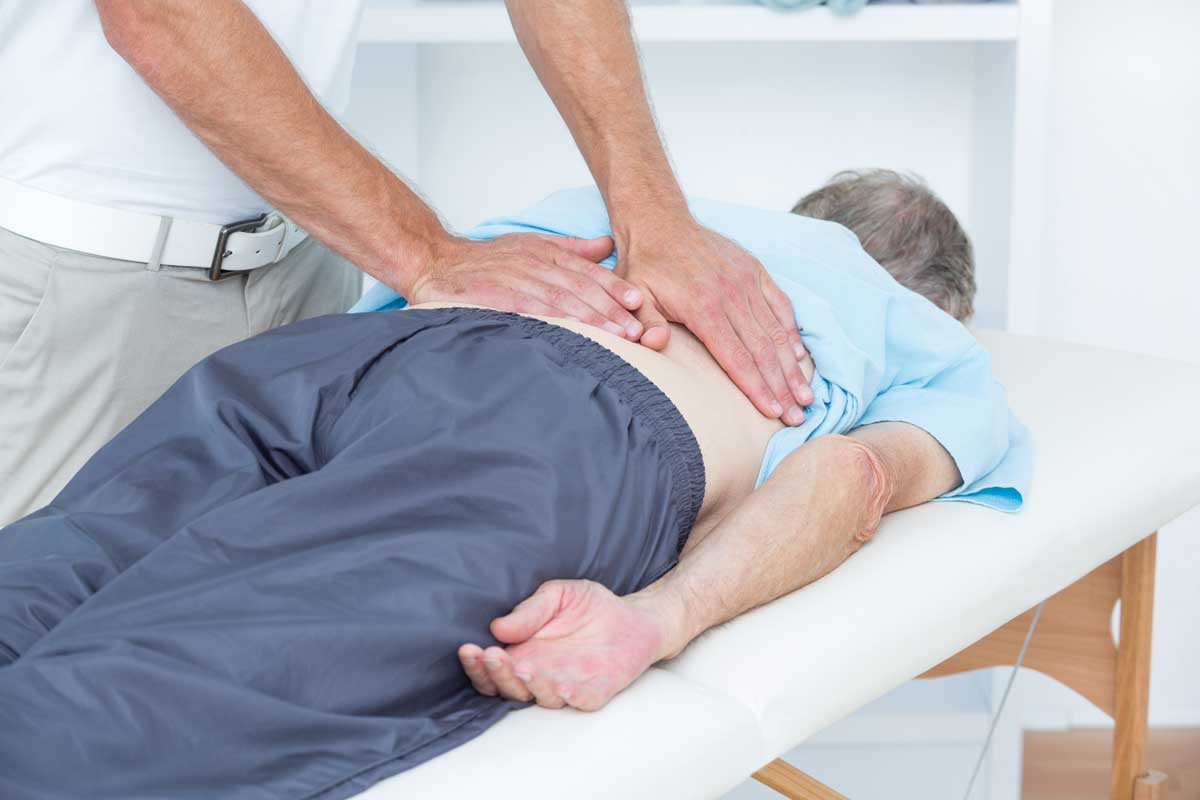
When to See an Osteopath
Osteopathic treatment helps reduce pain, restore mobility, and prevent future flare-ups. Book an appointment if:
- Pain lasts more than 7–10 days
- You keep having “winter back pain” every year
- You are unsure whether your symptoms indicate muscle strain, disc irritation, or nerve involvement
- Your pain interrupts sleep or daily activities
- You want a personalized plan that includes manual therapy, mobility training, pacing, and ergonomic guidance
Osteopaths use hands-on techniques, including soft tissue therapy, joint mobilization, myofascial release, craniosacral techniques, and corrective exercise to restore optimal function.
Red Flags: Seek Immediate Medical Care
Call emergency services or go to the ER if you experience:
- New bladder or bowel dysfunction
- Saddle numbness
- Sudden, severe leg weakness
- Fever + continued back pain
- Recent trauma (fall, accident, impact)
- Unexplained weight loss combined with night pain
These may indicate serious underlying conditions requiring urgent assessment.

2-Week Winter Back Reset Plan
Follow this structured plan to build resilience and prevent recurring pain.
Week 1 — Calm & Consistency
- Ice or heat 1–2×/day
- Daily mobility routine
- Two 10–15 minute easy walks
- Apply the desk/driving micro-break rule
Week 2 — Build Strength & Stability
- Continue mobility routine daily
- Add hip hinge with light household load (2–4 kg), 2 × 8 reps
- Include one brisk walk (20 minutes) or gentle cycling
- Adjust sleep positioning (side-lying with small pillow between knees)
If pain increases, spreads, or causes numbness, reduce activity and get assessed.
Who Is This Winter Back Pain Guide For?
This guide is designed for anyone experiencing seasonal stiffness, muscle tension, or recurring back pain in colder months, including:
- Office workers or remote workers with prolonged sitting
- Older adults who feel more morning stiffness in winter
- Individuals with chronic low back pain or past injuries
- People with disc irritation, sciatica symptoms, or muscle strain issues
- Active adults who shovel snow, travel, or lift during the holidays
- Anyone wanting a safe, medically guided plan to stay pain-free
If you’re looking for osteopathy near you in Toronto, Vaughan, Maple, Thornhill, or North York, this winter guide provides a clear roadmap to reduce discomfort and improve mobility.
Winter Back Pain Relief With Body & Mind Osteopathic Clinic
At Body & Mind Osteopathic Clinic, our practitioners take a comprehensive, patient-centered approach to treating winter back pain. We combine hands-on manual therapy, movement rehabilitation, ergonomic coaching, lymphatic support, and nervous system regulation to create measurable, long-lasting improvement.
Whether your goal is to prevent winter flare-ups, improve mobility, or understand your pain, our team is here to help.

Written By: Vadzim Siniauski
Vadzim Siniauski is Certified Osteopathic manual practitioner DOMP, MCIO, and Registered Massage Therapist (RMT), MD (Belarus). Vadzim has an extensive experience in musculoskeletal health, pain management, and manual therapy techniques.
Our Editorial Process
At Body & Mind Osteopathic Clinic, we publish practical, experience-based content to help educate readers on osteopathy, rehabilitation, and wellness.
Writing: All our content is developed by experienced osteopathic practitioners and RMTs. It draws on reputable scientific literature, clinical research, and our real-world experience working with conditions such as back pain, joint stiffness, postural imbalances, and injury recovery.
Editing: Each article is reviewed internally by a senior practitioner to ensure accuracy, clarity, and alignment with our treatment protocols and patient education standards.
Verified by Practitioners: Before publication, content is verified by a licensed member of our clinical team to confirm that the medical information provided aligns with current best practices in manual therapy and osteopathic care.
Frequently Asked Questions
Why does winter cause more back pain?
Cold weather causes muscles to contract, leading to increased body stiffness and joint health issues. Reduced physical activity in winter also contributes to winter back pain by weakening core muscles.
How can I stay active in winter to prevent back pain?
Maintain physical activity indoors with stretching, yoga, or low-impact workouts. Staying active supports a healthy lifestyle and improves overall health for body.
What are quick health tips for winter back pain relief?
Apply heat packs to reduce body aches, stay hydrated, and wear layers to retain body warmth. These health tips improve circulation and support joint health.
Can poor posture during winter increase back pain?
Yes. Slouching while sitting for long periods indoors worsens body stiffness and increases winter back pain. Use ergonomic furniture and correct your posture often.
Does cold weather affect joint health long-term?
Consistent exposure to cold without proper care may worsen arthritis and damage joint health. Strength training and warmth retention help prevent this.
Is walking helpful for winter back pain?
Yes. Walking boosts circulation, loosens tight muscles, and supports a healthy lifestyle. Dress warmly and walk during daylight for added benefit.
When should I see a doctor for winter back pain?
Seek help if pain persists over 2 weeks, worsens with movement, or radiates down your legs. Chronic winter back pain may need professional care.