Most people discover reflexology in one of two ways. They either feel stressed and overstimulated and want something calming that does not rely on deep pressure, or they are searching for foot reflexology near me or foot massage nearby because their feet feel tired, sore, or heavy after long days. Either way, the first question is usually the same: what exactly is reflexology, and is it really different from a standard foot massage?
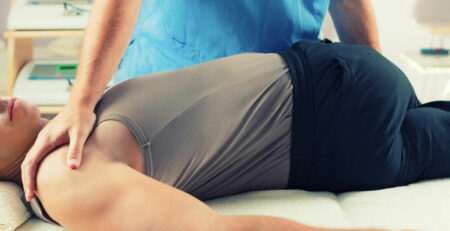
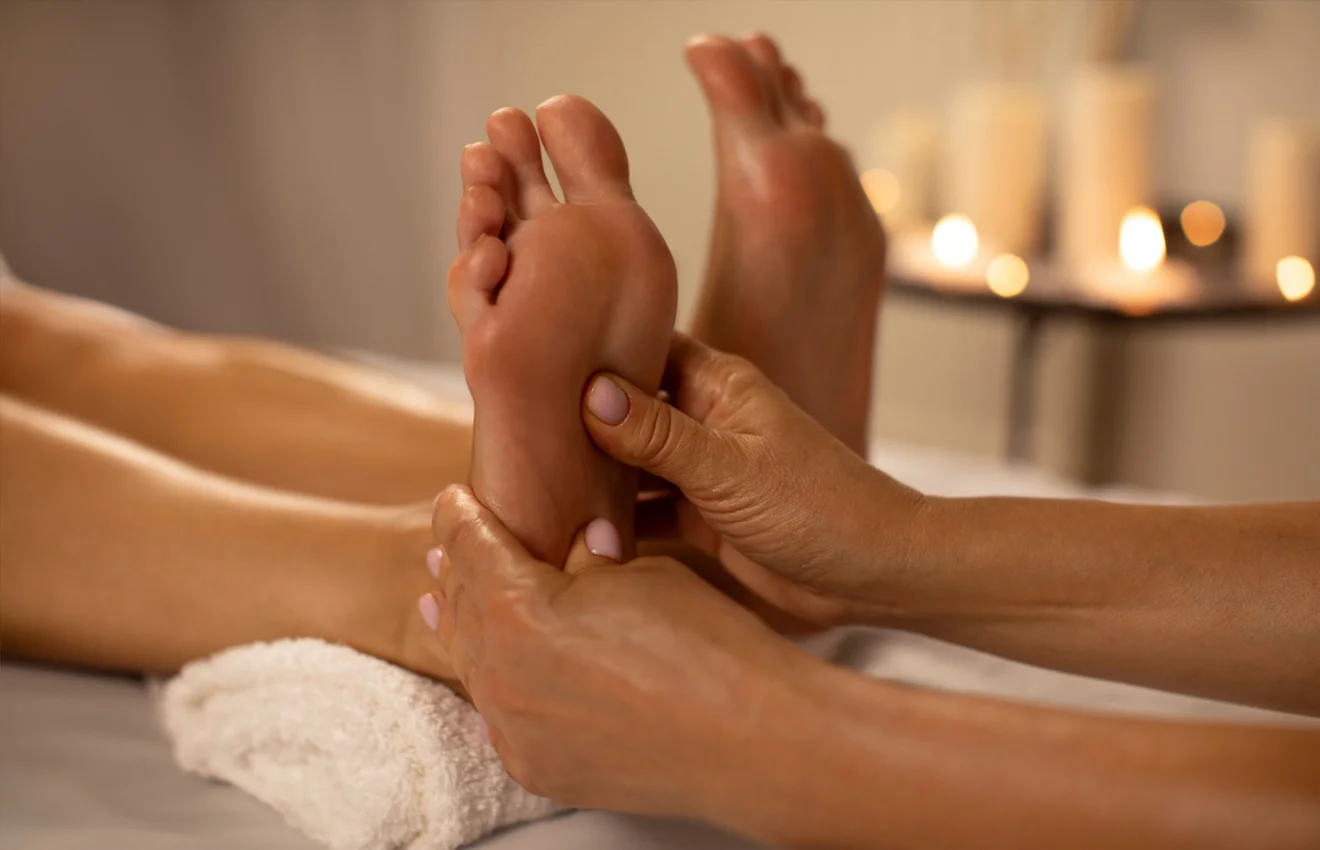
A professional reflexology massage session is not just a casual foot rub. It is a structured technique that focuses on specific areas of the feet, and sometimes the hands, using steady, targeted pressure. Many clients find it deeply relaxing, but the session itself is purposeful. A good provider works with clear patterns and pressure zones, checks in about comfort, and adjusts intensity based on your body’s response.
Reflexology at Body & Mind Osteopathic Clinic
At our clinic, we blend gentle reflexology into your Osteopathy or RMT sessions so you relax faster, ease tension, and leave feeling lighter. This technique is carefully integrated into your full-body care plan and is performed by trained professionals, who understand the deeper connections between pressure points and your nervous system.
What Is Reflexology?
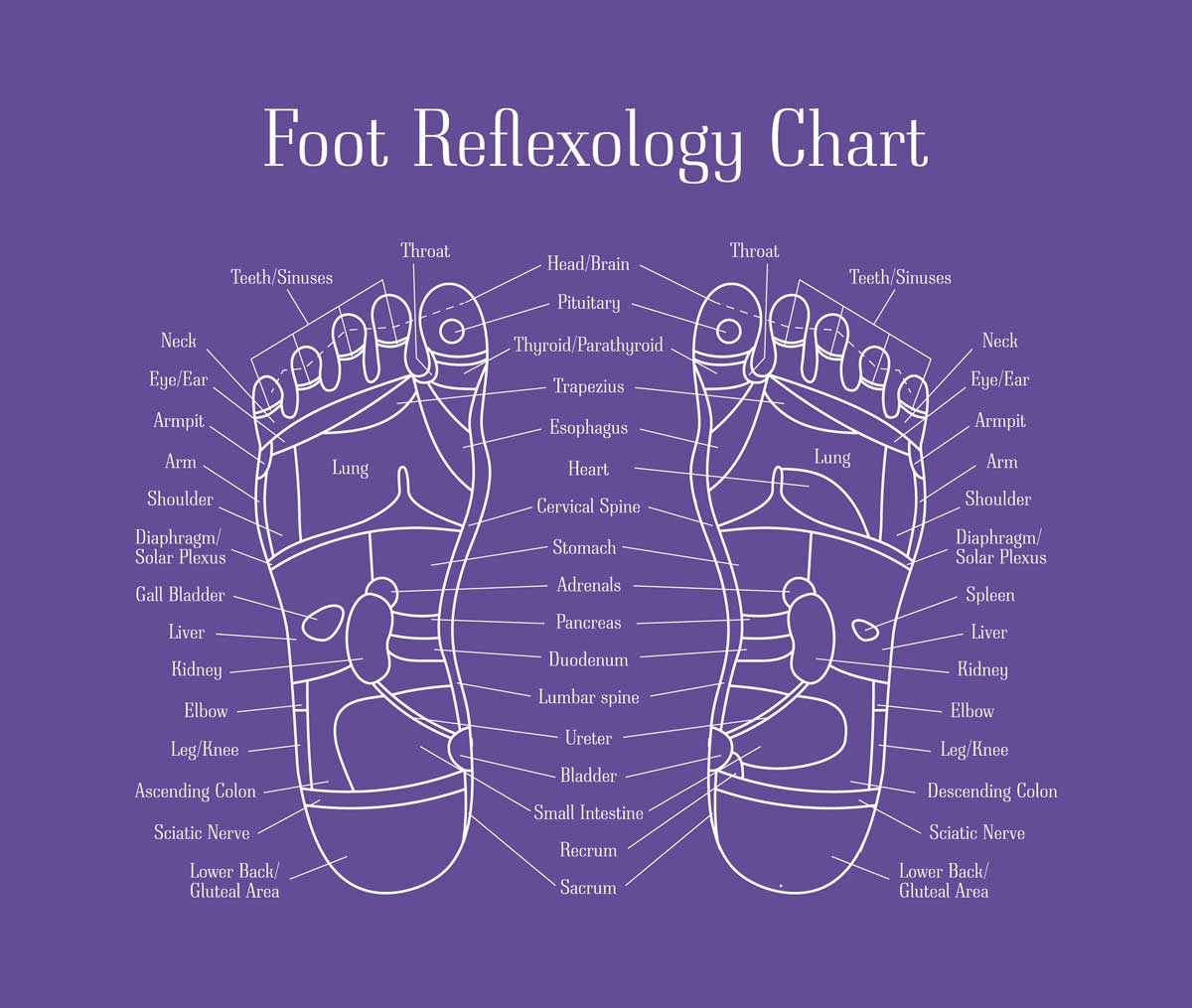
Reflexology is a touch-based practice in which a practitioner applies pressure to specific areas of the feet, and sometimes the hands. These areas are often called reflex points, and practitioners work from maps that associate sections of the feet and hands with different parts of the body.
Here’s the key: you do not need to believe a complex theory to enjoy a session. Many people book reflexology because it feels calming and restorative in a very practical way. It gives attention to an area that is often ignored, and it does so with a structured approach that goes beyond a casual foot massage.
Reflexology vs. foot massage nearby services
When people search foot massage nearby, they may find many options that feel similar on the surface. But there is a difference between a general foot massage and professional reflexology.
A standard foot massage typically focuses on:
- Relaxing the foot muscles
- Improving circulation
- Comfort and stress relief
- A soothing experience that feels good
A professional reflexology massage typically focuses on:
- Working through mapped reflex zones
- Applying steady pressure in specific patterns
- Checking for sensitivity and texture changes in certain areas
- Creating a full-session flow that covers multiple areas of the feet, not just the arches
Some clinics offer both and will clearly label them. Some offer a blended session, where you get the comfort of massage with targeted reflex work. That blended approach is often called reflexology foot massage or described simply as massage and reflexology together.
How Reflexology Works in Real Life
People often ask, “How does it work?” Well, the honest answer is that it works in a few different ways, depending on what you mean by “work.” For instance, if you mean “will it cure a medical condition,” reflexology should not be treated as a replacement for medical care. However, if you mean “can it help me relax, feel calmer, and reduce the sense of tightness I carry,” then many people say yes.
In real clinical settings, the most common outcomes clients report include:
A calmer nervous system
Since the feet contain many nerve endings, slow and steady pressure can feel grounding. As a result, that grounded feeling often helps people downshift from stress mode.
Reduced sense of tension
Even when the session focuses only on the feet, many clients report their shoulders drop and their breathing becomes deeper. This is especially common when the nervous system begins to relax.
Better body awareness
Because a reflexology session is often slow and mindful, it helps many clients reconnect with their body rather than staying stuck in mental overdrive.
A structured alternative for clients who do not want deep pressure
Not everyone enjoys deep tissue work. In fact, some people feel sore for days after intense pressure. For those clients, foot reflexology can offer a gentler yet effective way to feel supported.
Ultimately, if your main goal is stress relief, reflexology often pairs beautifully with services designed to calm the system, such as Relaxation Massage, especially if you’re seeking a whole-body approach over time.
Understanding Pressure Points on Feet
Clients often ask about a pressure point on the feet because they notice a tender spot and wonder what it means. In reality, tenderness can mean many different things in professional practice, and it is not necessarily a sign of a serious problem.
For example, a tender point might simply reflect:
- Fatigue from standing or walking
- Tightness in the muscles of the foot
- Footwear issues
- General sensitivity
- Increased stress response in the body
In the context of reflexology, practitioners work across multiple zones and points. The goal is not to press one spot until it “fixes” something. Rather, the intention is to create balanced, steady stimulation across the feet in a way that encourages relaxation and comfort.
Importantly, a professional provider will always adjust pressure to suit your comfort. Reflexology should feel meaningful and therapeutic — never sharp or overwhelming. So, if something feels too intense, you should speak up, and the pressure should be reduced immediately.
Reflexology Maps and Zones
You do not need to study charts to benefit from reflexology, but it can be helpful to understand the general idea behind the session flow.
Many reflexology maps broadly associate:
- Toes with head and neck areas
- The ball of the foot with upper body regions
- The arch with mid-body regions
- The heel with lower body regions
During a reflexology massage, a practitioner may work through these areas gradually, using different angles of pressure and pacing. Many sessions also include gentle work on the lower legs because calves and ankles can influence how the feet feel.
If you are dealing with recurring foot discomfort or tightness in the lower leg chain, you may also benefit from a broader assessment through a service like Therapeutic Massage, which can address contributing tension patterns beyond the feet.
Benefits People Commonly Seek From Reflexology
People book reflexology near me and foot reflexology near me for different reasons. Below are the most common ones seen in clinics and wellness settings.
Stress relief and a sense of calm
This is the number one reason many clients return. Even a single session can feel like a mental reset, especially for people who struggle to shut off at night.
Support for sleep routines
Some clients notice they fall asleep more easily after reflexology, or they sleep more deeply. Not everyone experiences this, but it is a common reason people book again.
Relief for tired feet
Clients who stand all day, commute frequently, or walk a lot often love foot reflexology because it addresses fatigue directly where they feel it.
A gentle option for sensitive clients
If you do not tolerate strong pressure well, reflexology can be a comfortable alternative. You still get targeted touch, but it does not have to feel intense.
A wellness routine that feels sustainable
Many people treat reflexology like maintenance. It is not only for when something hurts. It is something they do to keep themselves balanced during busy seasons.
If you are someone who carries stress in the body, a calming therapy like reflexology can also complement services focused on nervous system regulation, such as Craniosacral Therapy for stress relief, especially when emotional tension shows up physically.
Foot Reflexology vs. Hand Reflexology
While foot reflexology is most common, hand reflexology is also used in many practices and can be surprisingly effective for relaxation.
Foot reflexology
This is often the first choice because:
- Feet carry daily load
- Many clients find foot work deeply grounding
- The session naturally encourages full-body relaxation
Hand reflexology
Hand reflexology can be a good option if:
- You have very sensitive feet
- You are uncomfortable with foot work
- You have a foot injury or skin irritation that needs to heal
- You want a shorter session during a busy schedule
Some practitioners begin with hand reflexology to help calm the nervous system, then move into foot reflexology for deeper relaxation.
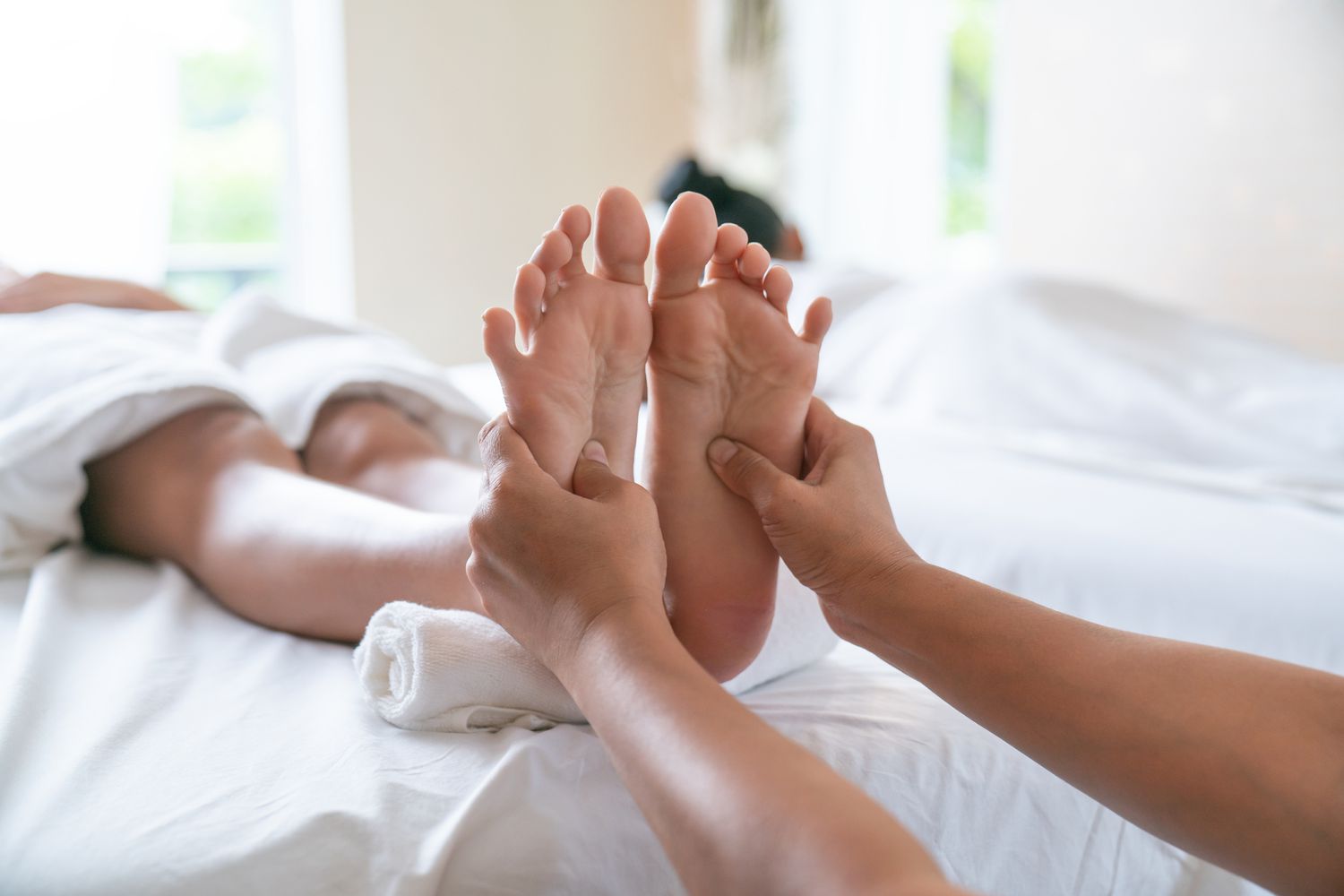
What to Expect During a Reflexology Massage Session
If you have never tried reflexology, the unknown can create anxiety before the appointment. Here is what typically happens in a professional clinic.
Step 1: A short intake
You will usually be asked about:
- Your stress levels and sleep
- Any foot sensitivity or pain
- Any health considerations that might affect foot work
- Your pressure preference
This is also the time to say if you want a gentle session. You do not need to “tough it out” for reflexology to be useful.
Step 2: Setup and comfort
You will either lie on a massage table or sit in a reclined chair. Shoes and socks come off, and your lower legs may be exposed for part of the session. You generally remain otherwise clothed.
Step 3: Warm-up
A good reflexology massage session usually starts with gentle movements, light pressure, and warming techniques. This helps your feet relax so deeper reflex work feels comfortable.
Step 4: Targeted reflexology work
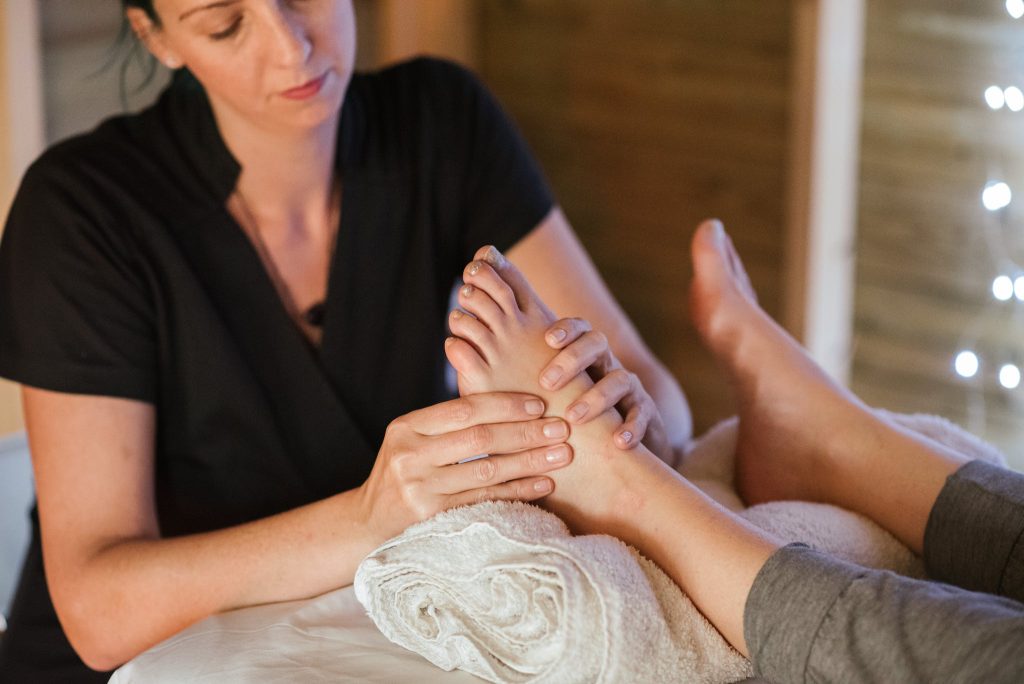
The practitioner works through the feet in a structured way. Pressure is often applied with thumbs and fingers. Some areas may feel very soothing, while a few points may feel tender. Tenderness should always be manageable, and pressure should be adjustable.
Step 5: Closing techniques
Sessions usually finish with calming strokes and gentle movements to settle the system. Many clients feel very relaxed afterward, sometimes even sleepy.
If your main goal is not only relaxation but also addressing broader tension patterns that contribute to foot fatigue, you may find it helpful to combine reflexology sessions with other care options over time, including Osteopathy, which can support mobility and whole-body balance.
Does Reflexology Hurt?
Most people describe reflexology as relaxing; however, some points can feel tender — especially if your feet are tired or naturally sensitive.
That said, here is the standard that truly matters: discomfort should never feel sharp or alarming. If you catch yourself holding your breath or tensing your body, the pressure is too strong. In that case, speak up — the practitioner should reduce the pressure immediately.
Ultimately, a good provider does not chase pain. Instead, they work with your nervous system, not against it. As a result, the best outcomes often come from steady, comfortable pressure that allows the body to soften and let go.
Who Should Be Cautious With Reflexology?
Reflexology is generally gentle; however, certain situations require extra caution. For example, if you have any of the following, it’s important to consult the clinic first:
- Open cuts, infections, or skin conditions on the feet
- Recent foot surgery or significant foot injury
- Severe circulation issues or unexplained swelling
- Severe pain that has not been assessed
In such cases, a reputable provider will guide you honestly. And if reflexology isn’t suitable that day, they may recommend another option that better fits your needs.
How Often Should You Get Reflexology?
This depends on your goals and lifestyle. Here are practical schedules many clients use.
For stress management
Many people book reflexology every two to four weeks as part of a routine.
During very busy or stressful periods
Some clients book weekly sessions for a short time, then switch to maintenance.
For foot fatigue
If your job involves standing or walking, consistent sessions can help keep your feet from feeling constantly overloaded.
A practical approach is to try one session, notice how you feel over the next few days, and then decide on a schedule that feels realistic.
Aftercare Tips
Reflexology is gentle, but aftercare still matters. A few simple habits can help you feel better for longer.
Hydrate
Drink water after your session. Many clients report feeling more refreshed when they hydrate properly.
Keep the day calm if you can
If possible, avoid rushing into stressful tasks immediately after. Even a short walk or a quiet evening helps the nervous system hold onto the calm state longer.
Notice your sleep
If sleep is one of your goals, pay attention to how you sleep that night and how you feel the next morning. That feedback helps refine the next session.
Share feedback
If you wanted more gentle work, deeper pressure, or more time on certain areas, tell your provider next time. Reflexology improves when sessions are customized.
Choosing the Therapist for Reflexology Near Me
When searching for reflexology near me, it’s essential to choose a therapist who is not only certified but also understands how to tailor each session to your individual needs.
At Body & Mind Osteopathic Clinic, our experienced team combines reflexology with a deep understanding of anatomy, nervous system regulation, and holistic care—ensuring that your session is both relaxing and effective. Whether you’re dealing with stress, fatigue, or tension in your feet, choosing the right provider makes all the difference.

Written By: Vadzim Siniauski
Vadzim Siniauski is Certified Osteopathic manual practitioner DOMP, MCIO, and Registered Massage Therapist (RMT), MD (Belarus). Vadzim has an extensive experience in musculoskeletal health, pain management, and manual therapy techniques.
Our Editorial Process
At Body & Mind Osteopathic Clinic, we publish practical, experience-based content to help educate readers on osteopathy, rehabilitation, and wellness.
Writing: All our content is developed by experienced osteopathic practitioners and RMTs. It draws on reputable scientific literature, clinical research, and our real-world experience working with conditions such as back pain, joint stiffness, postural imbalances, and injury recovery.
Editing: Each article is reviewed internally by a senior practitioner to ensure accuracy, clarity, and alignment with our treatment protocols and patient education standards.
Verified by Practitioners: Before publication, content is verified by a licensed member of our clinical team to confirm that the medical information provided aligns with current best practices in manual therapy and osteopathic care.
Frequently Asked Questions
Is reflexology the same as a foot massage nearby service?
Not always. A typical foot massage nearby service usually focuses on muscle comfort and relaxation. reflexology uses structured pressure on mapped points and zones, often with a more targeted approach.
What is a pressure point on feet and does it mean something is wrong?
A pressure point on feet is simply an area that feels tender or noticeable when pressure is applied. Tenderness can come from fatigue, sensitivity, tightness, or stress response. It does not automatically mean a serious issue, and pressure should always be adjusted to stay comfortable.
Can I combine massage and reflexology in the same plan?
Yes. Many clients enjoy massage and reflexology together over time. Reflexology can be a calming, targeted option, while massage helps address larger muscle groups and posture-related tension.
Is hand reflexology effective if I do not want foot work?
Yes. hand reflexology can be a great option, especially if your feet are sensitive or you want a shorter session. Many clients still find it calming and grounding.
How do I choose the best reflexology near me?
When searching reflexology near me, look for clear service descriptions, a clean and professional environment, and a provider who communicates well and adjusts pressure. You should feel listened to, not rushed.