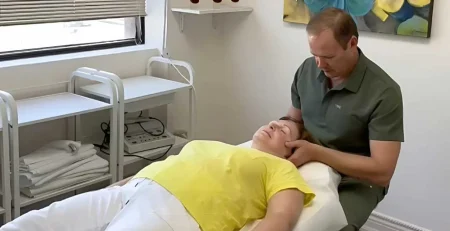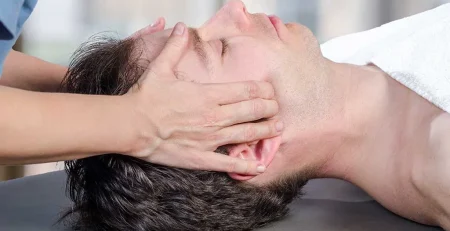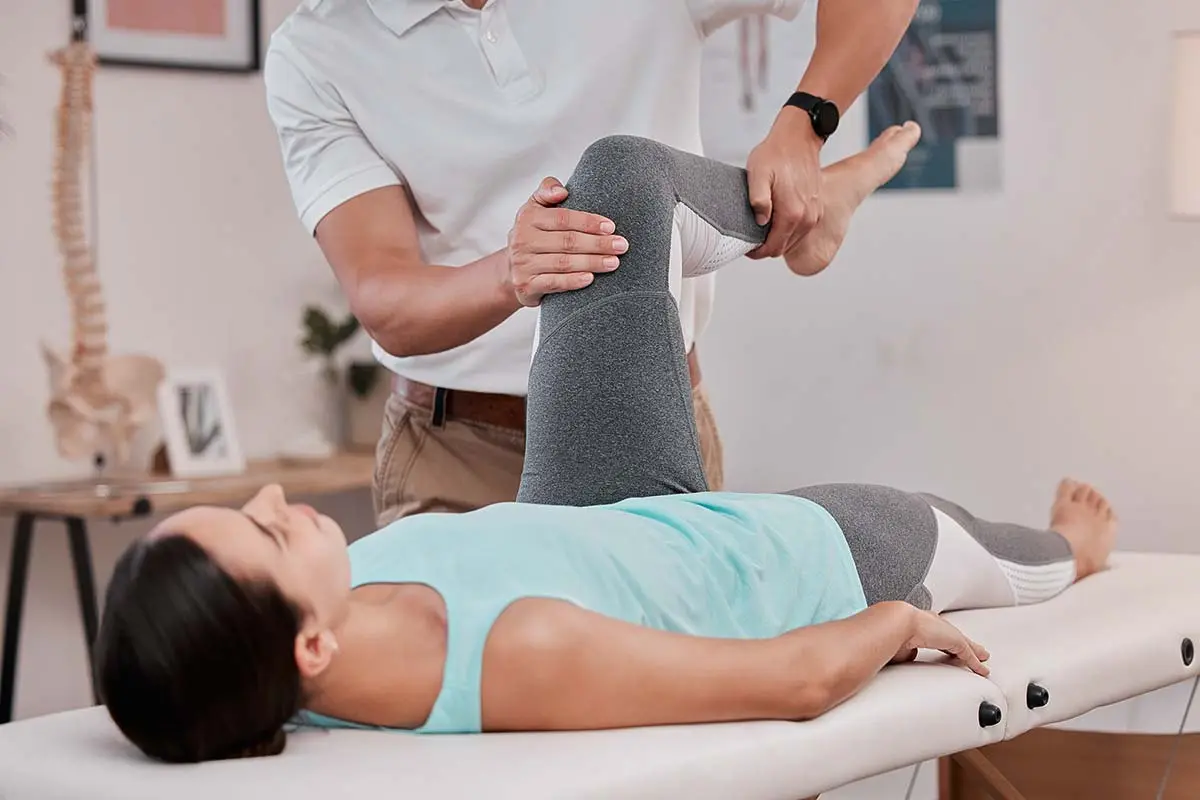
Proprioceptive neuromuscular facilitation (PNF) is a highly effective, evidence-based approach used to improve flexibility, strength, coordination, and neuromuscular control. Originally developed for neurological rehabilitation, PNF stretching is now widely applied in massage therapy, sports recovery, post-injury rehab, and chronic pain management.
At Body & Mind Osteopathic Clinic, PNF is integrated into Registered Massage Therapy (RMT) sessions to help clients move better, recover faster, and restore natural movement patterns—especially when standard stretching no longer delivers results.
Proprioceptive Neuromuscular Facilitation (PNF): Advanced Muscle & Neuro Facilitation Therapy in Toronto
Proprioceptive neuromuscular facilitation works by combining muscle contractions with assisted stretching to activate your nervous system and deepen range of motion safely.
In other words, instead of passively stretching, your therapist guides you through specific contraction–relax cycles. As a result, your muscles release protective tension while your brain learns new movement patterns.
Moreover, this method directly targets neuromuscular proprioception—your body’s ability to sense position, movement, and force.
Because PNF engages both muscles and nerves, it’s considered one of the most powerful neuromuscular facilitation techniques available in modern manual therapy.
How PNF Stretching Works
PNF stretching typically follows a simple yet precise sequence:
- The muscle is gently stretched
- You contract that muscle against resistance
- You relax
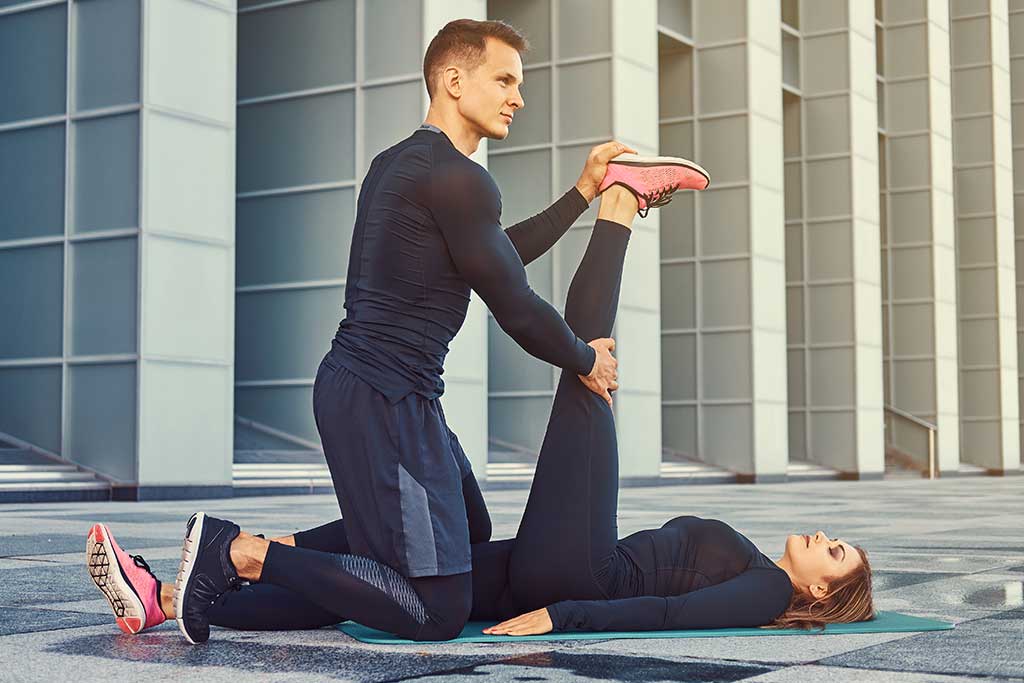
- The therapist guides the limb into a deeper stretch
This cycle—often called contract-relax or hold-relax—allows the nervous system to “reset” muscle tone.
Consequently, tight tissues soften faster, joint mobility improves, and movement becomes smoother.
Additionally, therapists use diagonal and spiral movement patterns that mirror real-life motion, making PNF especially effective for functional recovery.
PNF Examples Used in Massage & Rehab
Common PNF examples include:
- Hamstring contract-relax stretching
- Hip flexor facilitation patterns
- Shoulder D1/D2 diagonal movements
- Neck and upper-back neuromuscular release
- Core stabilization sequences
These PNF facilitation techniques are customized for each client. Therefore, whether you’re recovering from injury, managing postural strain, or enhancing athletic performance, your treatment remains fully personalized.
Benefits of Proprioceptive Neuromuscular Facilitation
PNF offers both immediate and long-term benefits:
- Increased flexibility and joint range
- Improved muscle activation and coordination
- Faster recovery after workouts or injuries
- Reduced chronic stiffness and pain
- Enhanced posture and movement efficiency
Furthermore, PNF exercise therapy supports nervous-system regulation, helping your body exit “guarded” patterns and return to balanced function.
Because it blends muscle facilitation techniques with neuro facilitation techniques, results are often deeper and longer-lasting than traditional stretching alone.
PNF Exercise Therapy for Pain, Rehab & Performance
PNF is commonly used for:
- Low-back and neck tension
- Shoulder and hip mobility restrictions
- Sports injuries
- Post-surgical rehabilitation
- Desk-related stiffness
- Movement re-education
Importantly, proprioceptive neuromuscular facilitation PNF stretching adapts to all levels—from gentle therapeutic sessions to advanced athletic conditioning.
Meanwhile, your therapist continuously monitors resistance and range to ensure safety and comfort.
Why PNF Works When Regular Stretching Doesn’t
Traditional stretching targets muscles only. PNF, however, retrains the brain–muscle connection.
By activating neuromuscular pathways, PNF teaches your body how to move efficiently again. Consequently, improvements often feel more natural—and hold longer.
This is why neuromuscular proprioception is central to lasting recovery, not just temporary flexibility gains.
*This information is educational and not a medical diagnosis. Always consult your healthcare provider—especially for post-surgical care or if you have complex medical conditions—to confirm that manual lymphatic drainage is appropriate for you and to determine the safest treatment plan.
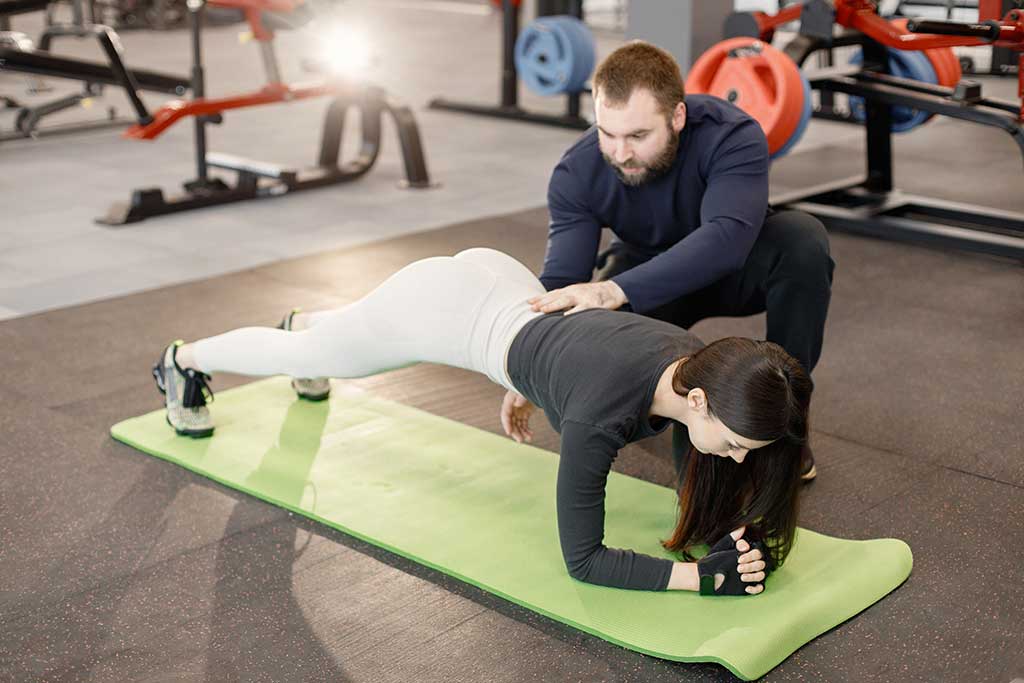
PNF as Part of Registered Massage Therapy in Toronto
When integrated into RMT sessions, proprioceptive neuromuscular facilitation becomes a powerful therapeutic tool.
Rather than treating symptoms alone, PNF addresses movement dysfunction at its source. As a result, clients experience better mobility, reduced pain, and improved overall body awareness.
Moreover, combining manual massage with PNF facilitation techniques accelerates healing while supporting long-term musculoskeletal health.
Ready to Experience PNF Stretching?
If you’re dealing with tight muscles, restricted movement, or lingering discomfort, PNF may be exactly what your body needs.
Book a Registered Massage Therapy session and discover how proprioceptive neuromuscular facilitation, targeted muscle facilitation techniques, and advanced neuromuscular facilitation can help you move freely again—naturally and safely.
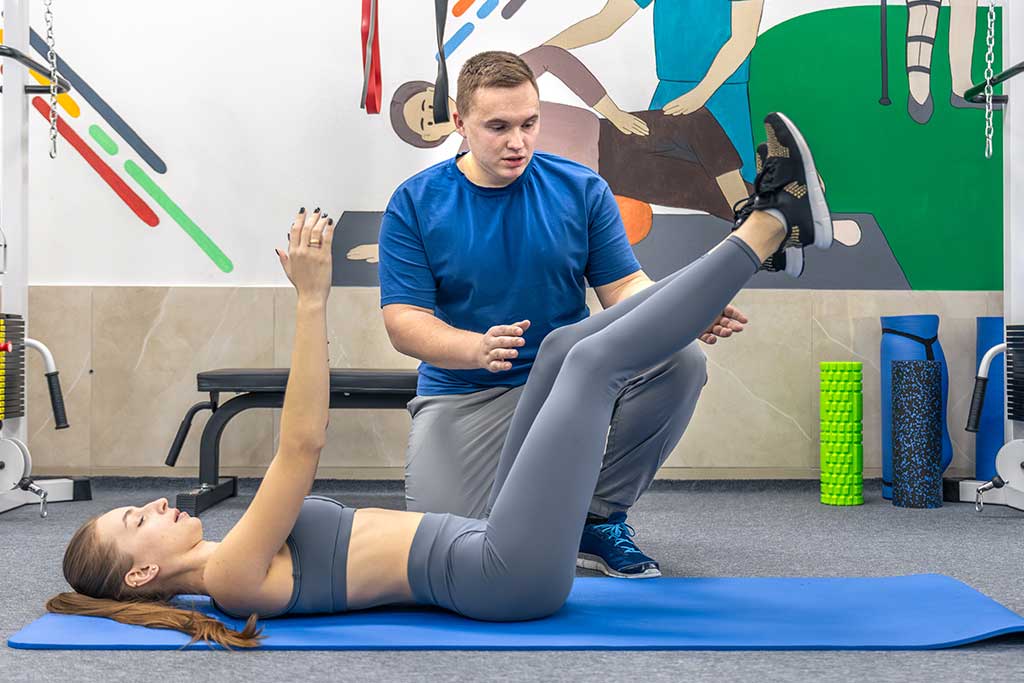
Scientific Evidence Supporting PNF
Proprioceptive neuromuscular facilitation (PNF) is supported by strong clinical research showing superior gains in flexibility and range of motion compared to traditional static stretching. Multiple studies demonstrate that PNF stretching activates neuromuscular pathways, improves proprioceptive feedback, and enhances muscle relaxation through controlled contraction–relaxation cycles.
Moreover, evidence suggests that PNF exercise therapy promotes better motor control, faster recovery, and improved functional movement patterns, making it highly effective for rehabilitation, chronic pain management, and athletic conditioning.
Because PNF directly engages the nervous system—not just muscles—it delivers longer-lasting mobility improvements and measurable neuromuscular adaptation.

Written By: Vadzim Siniauski
Vadzim Siniauski is Certified Osteopathic manual practitioner DOMP, MCIO, and Registered Massage Therapist (RMT), MD (Belarus). Vadzim has an extensive experience in musculoskeletal health, pain management, and manual therapy techniques.
Our Editorial Process
At Body & Mind Osteopathic Clinic, we publish practical, experience-based content to help educate readers on osteopathy, rehabilitation, and wellness.
Writing: All our content is developed by experienced osteopathic practitioners and RMTs. It draws on reputable scientific literature, clinical research, and our real-world experience working with conditions such as back pain, joint stiffness, postural imbalances, and injury recovery.
Editing: Each article is reviewed internally by a senior practitioner to ensure accuracy, clarity, and alignment with our treatment protocols and patient education standards.
Verified by Practitioners: Before publication, content is verified by a licensed member of our clinical team to confirm that the medical information provided aligns with current best practices in manual therapy and osteopathic care.
Frequently Asked Questions
What are the main types of PNF stretching?
The main types of PNF stretching are hold-relax, contract-relax, and hold-relax with agonist contraction. Each method uses an isometric or concentric contraction followed by a deeper passive stretch to increase flexibility.
Who should use PNF stretching?
Athletes, rehabilitation patients, and individuals with limited flexibility benefit most from PNF stretching. Physical therapists often use PNF after injury to restore range of motion and improve muscular coordination.
How often should you perform PNF stretching?
Perform PNF stretching 2–3 times per week per muscle group. Limit each stretch to 2–4 repetitions. Allow at least 48 hours between intense sessions to support muscle recovery and prevent overuse.
Is PNF more effective than static stretching?
PNF increases flexibility more than static stretching in many short-term studies. Research shows PNF can improve range of motion by 10–20% after consistent practice over 6–8 weeks.
Is PNF stretching safe?
PNF stretching is safe when performed with proper technique and controlled intensity. Avoid maximal contractions if you have acute injuries or joint instability. Use professional supervision during rehabilitation.
Can you perform PNF stretching alone?
Perform PNF stretching alone using a strap, wall, or resistance band. A trained partner increases effectiveness by providing controlled resistance and feedback. Use controlled force to prevent muscle strain or joint stress.