Sarah thought it was just a sign of growing older when she couldn’t finish a yoga class without running to the bathroom. David, meanwhile, saw several specialists for his continuous lower back discomfort and constipation, but he was unable to find a solution. What neither of them realized? They were both suffering from pelvic floor dysfunction in Men and Women, which affects 16% of men and 25% of women.
The majority of people suffer in silence despite how common these problems are. The good news? This guide explains all you need to know about pelvic pain in men and women, from identifying symptoms to putting practical solutions into practice. Once you understand what’s happening, you can take real steps toward treatment.
Understanding Pelvic Floor Dysfunction in Men and Women
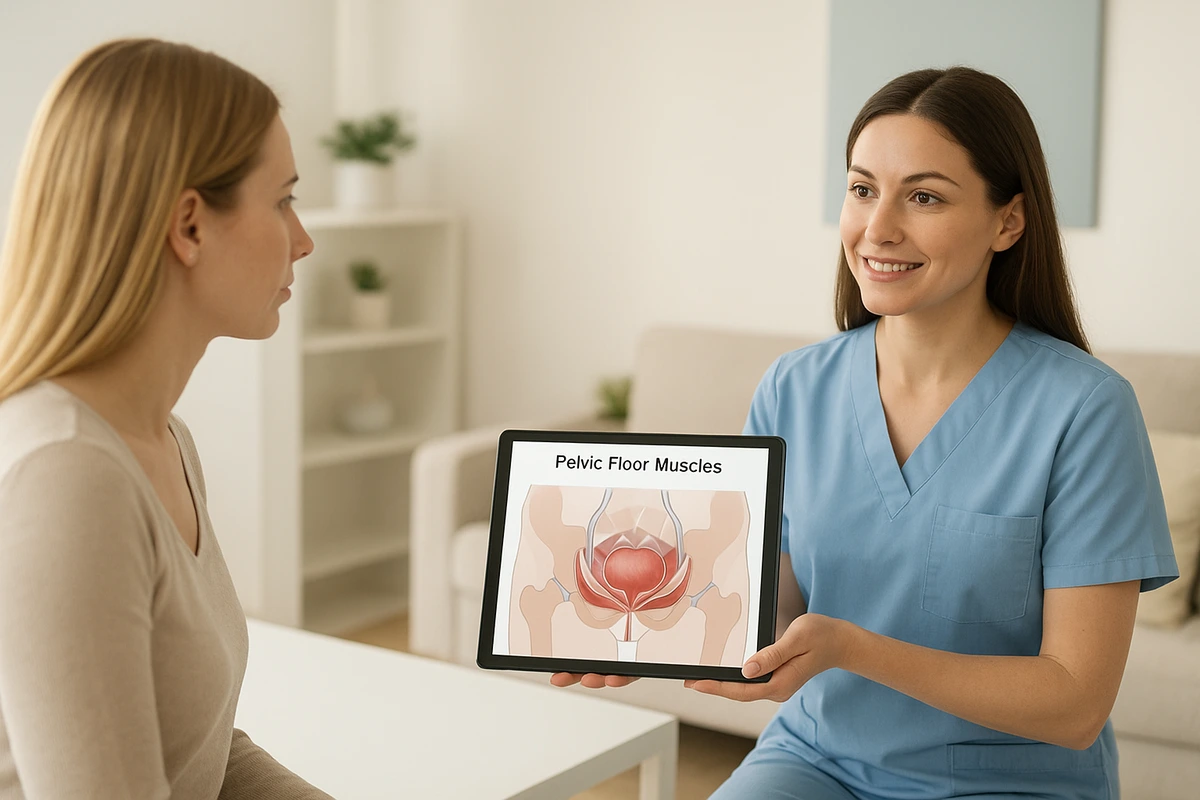
Think of your pelvic floor as a supportive device that holds your reproductive organs, bowels, and bladder in place while managing essential activities. It is made up of layers of muscles and connective tissues that reach across tha bottom of your pelvis.
You experience dysfunction when these muscles get too waek, too tight, or lose their coordination. The Cleveland Clinic states that the illness isn’t just about weakness occasionally, muscles become unbearably tight, leading to entirely separate issues.
Although the basic muscular structure is the same in both sexes, anatomical variances influence how symptoms manifest, but the root cause is still the same: muscles that are unable to contract, relax, or coordinate their movements.
Why Both Men and Women Experience Dysfunction
While pelvic floor dysfunction is often associated with women, particularly after childbirth, men experience these problems at surprisingly similar rates. The pelvic floor anatomy differs between sexes, but the fundamental mechanisms of dysfunction are remarkably similar: muscle tension, weakness, poor coordination, or structural damage can affect anyone.
Women commonly develop pelvic floor issues due to pregnancy, childbirth, hormonal changes during menopause, or gynecological surgeries. Men frequently experience dysfunction following prostate surgery, from chronic constipation and straining, or due to high-impact sports and heavy lifting.
Both genders can develop problems from chronic stress, poor posture, repetitive strain, or simply from never learning proper body mechanics for activities like lifting or using the toilet.
Common Myths About Pelvic Floor Health
Myth #1: “Pelvic Floor Problems Are Just Part of Getting Older”
One of the biggest misconceptions is that pelvic floor problems are a normal part of aging that you simply have to accept. This couldn’t be further from the truth. While risk increases with age, dysfunction is not inevitable, and most cases respond well to treatment.
Myth #2: “All Pelvic Floor Issues Mean Your Muscles Are Too Weak”
Another harmful myth is that all pelvic floor problems stem from weak muscles that need strengthening exercises. In reality, many people suffer from overactive, tense pelvic floor muscles that need to learn how to relax, not contract harder. Doing Kegel exercises when you have a hypertonic (too tight) pelvic floor can actually make symptoms worse.
Myth #3: “Pelvic Floor Dysfunction Only Affects Your Bladder”
Many people also believe that pelvic floor dysfunction in Men and Women only causes bladder problems. The truth is that these muscles affect urination, bowel movements, sexual function, and can even contribute to hip, back, and abdominal pain. It’s a condition that touches nearly every aspect of daily comfort and quality of life.
Pelvic Floor Dysfunction Men Face: Unique Challenges
Pelvic Floor Dysfunction Men is becoming widely accepted as a serious health issue that impacts relationships, mental health, and quality of life.
Common symptoms in men:
- Difficulty starting urination or weak stream
- Urinary urgency, frequency, and incontinence
- Chronic constipation requiring straining
- Incomplete bowel emptying sensation
- Erectile dysfunction or painful ejaculation
- Chronic pelvic pain syndrome
- Lower back pain, hip, or tailbone pain
What causes these issues:
Pelvic floor muscles are often injured after prostate surgery, especially radical prostatectomy. Up to 87% of men experience temporary incontinence after surgery, although the majority recover with appropriate physical therapy.
Chronic constipation, heavy lifting with bad technique, high-impact activities, and extended sitting are other concerns. Men who spend a lot of time sitting, such as truck drivers, office workers, and cyclists, frequently develop weak pelvic floor muscles and tight hip flexors.
Pelvic Floor Dysfunction Women Experience: A Broader Spectrum
Pelvic Floor Dysfunction women are similar to those of males, but there are extra risk factors due to pregnancy, delivery, and hormonal changes.
Common symptoms in women:
- Stress incontinence (leaking during exercise, sneezing, or laughing)
- Urge incontinence (sudden, overwhelming need to urinate)
- Pelvic organ prolapse (bulging sensation in vagina)
- Painful intercourse (dyspareunia)
- Chronic pelvic pain
- Feeling of heaviness or pressure
The NHS believes that 50% of postpartum women have some degree of pelvic floor weakness, though many don’t show symptoms right away.
Risk factors specific to women:
The pelvic floor muscles are under continuous stress during pregnancy and vaginal birth. Because pregnancy itself brings about changes, even cesarean deliveries do not offer total protection against problems. Programs for postpartum recovery, such as pelvic floor rehabilitation, are particularly helpful for women.
Declining estrogen levels during menopause have an impact on muscle strength and tissue flexibility. As a result, many women experience a start of prolapse or incontinence symptoms in their 50s and 60s.
Pelvic Floor Dysfunction in Transgender & Non-Binary Individuals
- Gender-affirming surgeries can alter pelvic anatomy and function.
- Hormone therapy affects tissue health and muscle tone.
- Testosterone may impact vaginal tissue; estrogen changes muscle properties.
- Stress, dysphoria, or medical trauma can increase pelvic floor tension.
- Access to affirming, knowledgeable providers is crucial for care and recovery.
The Connection Between Constipation and Pelvic Floor Dysfunction Creates
The reciprocal association with bowel function is one of the most overlooked features. Constipation Pelvic floor that causes problems can be both a symptom and a contributing factor to dysfunction.
Dyssynergic defecation is a disorder that arises from improper coordination of the pelvic floor muscles. During bowel movements, muscles paradoxically contract instead of relaxing, causing an obstruction.
The vicious cycle:
- Pelvic floor muscles fail to relax during defecation
- Stool gets trapped despite normal intestinal movement
- The person strains harder to overcome the blockage
- Chronic straining further damages and weakens muscles
- Cycle repeats and worsens over time
According to research, pelvic floor dysfunction in Men and Women, rather than delayed intestinal transit, is the cause of chronic constipation in up to 50% of cases. As a result, treating constipation becomes essential to any treatment strategy.
Conditions Linked to Pelvic Floor Dysfunction
Pelvic floor dysfunction in Men and Women can cause or worsen several urologic, gynecologic, and colorectal problems. Early awareness helps in proper diagnosis and treatment.
Urologic (Men & Women)
- Difficult urination — poor muscle relaxation causes obstruction.
- Cystocele — bladder bulges into vagina due to weak wall.
- Urethrocele — urethra drops from normal position.
- Urinary incontinence — leakage from weak or overactive muscles.
Gynecologic (Women)
- Dyspareunia — painful intercourse from tension or tissue issues.
- Uterine or vaginal prolapse — organs descend due to weak support.
- Enterocele / Rectocele — intestine or rectum bulges into vagina.
Colorectal (Men & Women)
- Constipation — muscles fail to relax during bowel movement.
- Fecal incontinence — loss of stool control from weak muscles or nerves.
- Rectal prolapse — rectum protrudes due to chronic straining.
General (Both Genders)
- Chronic pelvic pain — tension and trigger points in pelvic muscles.
- Levator spasm / Proctalgia fugax — painful muscle spasms.
- Perineal descent — pelvic floor drops too low, worsening dysfunction.
Diagnosis — How Doctors Identify Pelvic Floor Problems
Accurate diagnosis for pelvic floor dysfunction in Men and Women ensures proper treatment, but many delay care due to embarrassment or misdiagnosis.
1. Medical History & Exam
- Discuss symptoms, habits, and medical background.
- Physical exam checks posture, muscle tone, and coordination.
- Women: Vaginal ± rectal exam
- Men: Rectal exam
2. Specialized Tests (if needed)
- Anorectal manometry: Measures muscle pressure and control.
- Urodynamic testing: Checks bladder and urethral function.
- EMG: Detects abnormal muscle activity.
- Defecography: X-ray/MRI during bowel movement.
- Pelvic MRI: Identifies structural or nerve issues.
Recognizing Pelvic Pain From Muscular Dysfunction
Pelvic pain is not always caused by infections or other illnesses. Hypertonic (overly tight) pelvic floor muscles are often the source of persistent pain, resulting in trigger points and referred pain patterns.
Common pain presentations:
- Deep aching in the pelvis or perineum
- Lower back pain and sacrum discomfort
- Hip joints and groin pain
- Pain during sitting, intercourse, or bowel movements
- Tailbone (coccyx) tenderness
Pelvic health specialists claim that many people spend years seeking a diagnosis for digestive problems or back discomfort when the real cause is their pelvic floor muscles.
Effective Incontinence Treatment for Both Sexes
Pelvic floor dysfunction in Men and women causes urinary incontinence, which might feel embarrassing; however, it’s remarkably treatable. Incontinence treatment approaches offer non-surgical options that work for most people.
Conservative treatment options:
- Timed voiding schedules to retrain the bladder
- Fluid management (adequate hydration without excess)
- Eliminating bladder irritants (caffeine, alcohol, acidic foods)
- Weight loss if overweight (reduces pelvic pressure)
- Pelvic floor muscle training with proper technique
- Biofeedback and electrical stimulation
When conservative measures prove insufficient, medications, pessary devices, or surgical procedures may be considered. However, the American College of Obstetricians and Gynecologists (ACOG) recommends exhausting conservative treatments first.
Pelvic Floor Exercises for Men: Building Strength and Control
Pelvic floor exercises for men and women are essentially the same. The concepts of appropriate engagement and increasing overload are applicable.
Finding your pelvic floor muscles:
Try trying to elevate your testicles without using your hands, stopping urine in the middle of the stream (only for identification), or imagining stopping gas from passing. Your pelvic floor is activated by these movements.
Progressive exercise protocol:
Weeks 1-2: Foundation
- 3 sets of 10 quick contractions (1 second each)
- 3 sets of 5 holds (5 seconds each)
- Practice 3 times daily
- Focus on isolation (don’t clench buttocks or abs)
Weeks 3-4: Building endurance
- Continue quick contractions
- Increase to 3 sets of 8 holds (8 seconds each)
- Add functional practice before sneezing/coughing
Weeks 5-8: Advanced integration
- Practice in standing/sitting positions
- Integrate with core strengthening exercises
- Apply during daily activities
Men recovering from prostate surgery should start exercises immediately post-catheter removal for optimal recovery.
Practical Exercises for Women
Women’s exercises combine relaxation and strengthening strategies to address both hypertonicity and weakness.
Basic progression:
Start with 10 quick flicks and 10 sustained holds (5-10 seconds) three times daily. Gradually increase hold time to 10 seconds and add elevator exercises over 4-6 weeks. Maintain with exercises 4-5 times weekly.
For tight (hypertonic) pelvic floors:
If you experience pain or difficulty initiating urination, relaxation might be more important:
- Diaphragmatic breathing (5-10 minutes daily)
- Happy baby pose and deep squat holds
- Child’s pose with focused breathing
- Hip flexor stretches
Trigger points can be successfully released by working with a pelvic floor physical therapist who specializes in internal manual therapy.
When to Seek Professional Help
If pelvic floor dysfunction in men and women symptoms increase despite your best efforts, last longer than 6–8 weeks, or you are unsure of your method, schedule a consultation. Additionally, inquire if chronic pelvic pain, prolapse symptoms, or pain during activity are negatively impacting your quality of life.
To develop specific treatment plans that target your unique dysfunctional pattern, specialized therapists use internal examination techniques, ultrasound imaging, and biofeedback.
Lifestyle Strategies That Support Healing
Dietary considerations:
To control constipation, gradually increase your daily fiber intake to 25–35 grams, drink plenty of water, and eat foods high in probiotics. If they cause bladder issues, cut back on alcohol, caffeine, and acidic meals.
Movement and posture:
Avoid holding your breath while pushing yourself, take regular breaks from sitting, use safe lifting techniques, and temporarily refrain from high-impact activities if they worsen your symptoms.
Stress management:
The pelvic floor’s muscles become more tense when under prolonged stress. To assist physical treatment efforts, incorporate restorative yoga, meditation, and enough sleep.
Your Journey to Recovery Starts Today
Pelvic floor dysfunction in Men and Women need not to be worried anymore. There are effective treatments and rehab plans for pelvic floor dysfunction for pelvic pain, constipation, and incontinence.
Start by determining your particular symptoms and attempting the activities listed below. Monitor your progress every week. After 6-8 weeks of steady work, most people see noticeable results. Seek professional physical therapy if at-home activities don’t offer enough relief.
Throughout your whole life, your pelvic floor has been silently supporting you with every action. It now needs your care and attention. Today, start by identifying your muscles, starting your workouts, and making an effort to change your lifestyle to promote healing.
You can get back the comfortable, confident life you deserve with patience, consistency, and the right approach. You won’t believe how near the relief you’re looking for is.

Written By: Vadzim Siniauski
Vadzim Siniauski is Certified Osteopathic manual practitioner DOMP, MCIO, and Registered Massage Therapist (RMT), MD (Belarus). Vadzim has an extensive experience in musculoskeletal health, pain management, and manual therapy techniques.
Our Editorial Process
At Body & Mind Osteopathic Clinic, we publish practical, experience-based content to help educate readers on osteopathy, rehabilitation, and wellness.
Writing: All our content is developed by experienced osteopathic practitioners and RMTs. It draws on reputable scientific literature, clinical research, and our real-world experience working with conditions such as back pain, joint stiffness, postural imbalances, and injury recovery.
Editing: Each article is reviewed internally by a senior practitioner to ensure accuracy, clarity, and alignment with our treatment protocols and patient education standards.
Verified by Practitioners: Before publication, content is verified by a licensed member of our clinical team to confirm that the medical information provided aligns with current best practices in manual therapy and osteopathic care.
Frequently Asked Questions
Is Pelvic Floor Dysfunction Curable?
Yes, most cases improve with physical therapy and lifestyle changes. Severe prolapse may need ongoing care, but symptoms usually improve significantly. Early treatment helps most people recover within 3–6 months.
How Is It Different in Men vs. Women?
The core problem of pelvic floor dysfunction in Men and Women is the same—weak or tight pelvic muscles—but causes differ. Women often develop dysfunction after childbirth, while men experience it after prostate surgery or chronic straining. Both respond well to pelvic floor therapy.
Can I Fix It Without Surgery?
Yes, most people recover without surgery through therapy, biofeedback, and lifestyle adjustments. Surgery is only needed for severe structural problems, but therapy before and after surgery improves results.
How Long Does Therapy Take?
Most people attend therapy once or twice a week for 6–12 weeks. Improvement is often seen within a few weeks, though full recovery can take several months. Continuing home exercises helps prevent relapse.
What Happens If I Ignore Symptoms?
Ignoring symptoms can make them worse over time. Minor leakage or constipation can progress to incontinence, prolapse, or chronic pain. Early treatment leads to faster and more complete recovery.